A small but important shift has taken place in international travel over the last few years. Connectivity is no longer an afterthought or a task you deal with only after landing. Travelers now set up their virtual SIM card before the trip even begins. This practice has moved from convenience to standard procedure.
The main advantage of eSIMs is predictability. Instead of hunting for kiosks or swapping tiny plastic chips, users can now activate an eSIM data plan in advance and start the journey knowing their phone will function the moment the plane touches the ground. No guesswork, interrupted navigation or last-minute scramble to find service.
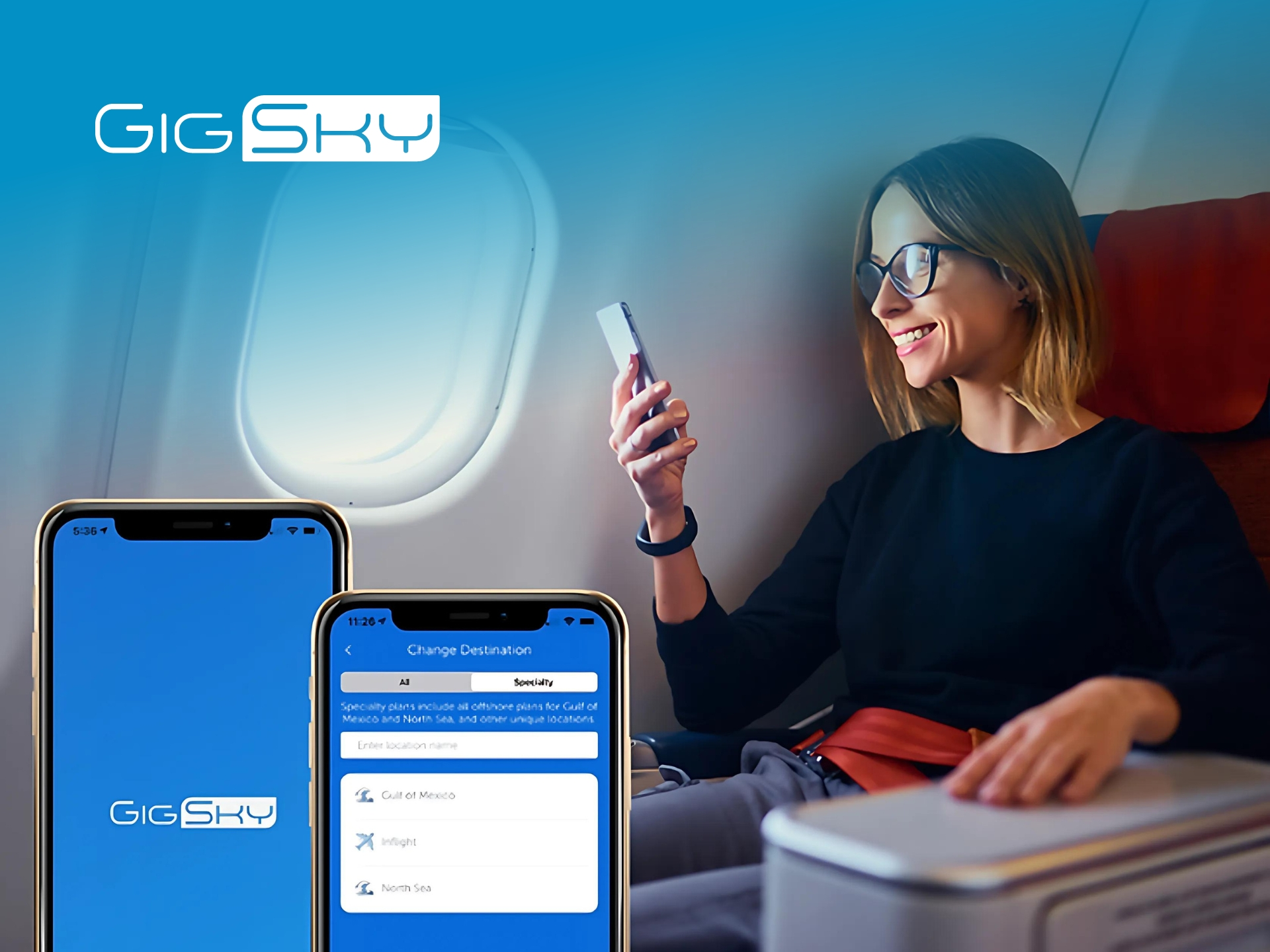
The real reason people are switching isn’t technology for technology’s sake, it’s for control. Travelers want predictable access to maps, ride apps, messaging, and banking from the moment they land. A reliable eSIM data plan provides exactly that. It’s purchased online, gets activated in seconds, and is designed around actual usage patterns rather than vague, one-size-fits-all offers.
Professionals who travel frequently noticed this change earlier. They realized that network decisions aren’t about speed claims, they’re about consistency. A good international eSIM doesn’t just work in one country. It functions across borders: allowing business trips, layovers, and multi-city journeys without SIM swapping or roaming anxiety. That efficiency matters more when someone is moving through three airports in two days.
The most interesting development in this sector isn’t the technology itself, it’s the user behavior around it. People no longer treat mobile data as an add-on. It has become an infrastructure. If a traveler can’t open their email or access a payment app, the entire trip slows down. A reliable eSIM travel app solves that headache because it removes dependence on local vendors and unpredictable pricing. Instead of guessing which plan is reasonable, users can see their options clearly and decide based on data volume, duration, and region.
There’s also a growing awareness of how costly traditional roaming actually is. Small, unnoticed charges accumulate. With eSIMs, the pricing tends to be upfront. You know your limit, you track your consumption, and there’s no surprise at checkout when returning home.
It has become evident that these digital solutions favor practicality. Travelers want stable a internet to handle basic work and communication in this digital era. They’re not chasing the fastest network on earth, they want reliability in regular conditions. Clear signals on city streets, at hotel lobbies, in public transport and at co-working spaces. That matters far more than theoretical performance numbers.
Conclusion:
The direction of this space is refinement, stripping away complications, not adding them. Good providers focus on clarity: plans that last the full trip, data that matches average use, and activation that doesn’t require technical knowledge. People don’t need ten features. They need one thing that simply works every time.
As travel becomes increasingly fluid and remote work continues to stretch across borders, digital connectivity is no longer a luxury category. The virtual SIM card has become a baseline expectation, one of those small, quiet upgrades that make the entire experience smoother and more predictable.